





Corrugated packaging costs can be reduced through smarter design, material optimization, standardization, efficient production, and testing.
In today's competitive manufacturing and logistics environment, businesses are under constant pressure to reduce packaging costs while maintaining the high quality and performance that customers expect. Corrugated boxes remain one of the most cost-effective and sustainable packaging solutions, but even well-designed packaging systems often contain opportunities for significant savings.
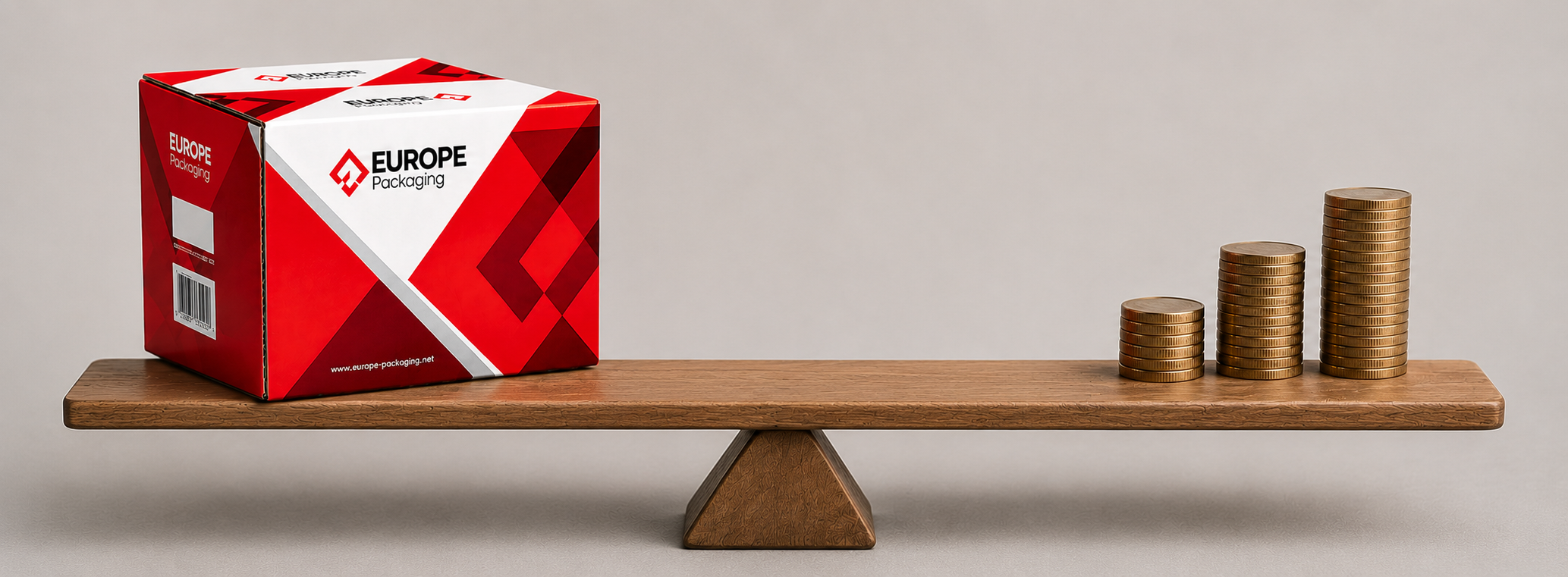
The key to lowering costs is not simply using cheaper materials. Instead, successful packaging optimization focuses on smarter design, material efficiency, manufacturing improvements, and supply chain optimization. By applying value engineering principles, companies can often reduce packaging costs by 5–20% without sacrificing product protection, durability, or brand presentation.
1. Optimize Box Dimensions
One of the most effective ways to reduce corrugated packaging costs is to ensure that each box is correctly sized for the product it contains. Oversized boxes consume more corrugated board, require additional void-fill materials, and increase shipping costs due to larger package dimensions.
Right-sizing packaging helps manufacturers:
Reduce raw material consumption
Lower transportation costs
Improve warehouse storage efficiency
Increase pallet utilization
Minimize environmental impact
Even small dimensional adjustments can produce substantial annual savings for high-volume packaging operations.
2. Select the Appropriate Corrugated Board Grade
Many companies use heavier corrugated board than their products actually require. While stronger packaging may seem like a safer choice, excessive material usage often leads to unnecessary costs.
A professional packaging review should evaluate:
Product weight
Stacking requirements
Transportation conditions
Storage environment
Compression strength requirements
Modern high-performance paper grades frequently allow manufacturers to achieve the same structural performance using lighter board combinations.
3. Evaluate Flute Profiles
Choosing the correct flute profile can improve both performance and cost efficiency. Depending on the application, switching from larger flute profiles to more suitable alternatives may reduce material usage while maintaining the required strength.
For example, B flute often provides an excellent printing surface and good compression strength for retail packaging, while C flute remains popular for general shipping applications. The ideal flute profile depends on the product, logistics conditions, and printing requirements.
4. Improve Structural Box Design
Packaging design has a direct impact on manufacturing costs. Small engineering improvements can significantly reduce material consumption without affecting box performance.
Examples include:
Optimizing flap dimensions
Reducing unnecessary overlaps
Improving die-cut layouts
Minimizing production waste
Simplifying box construction
Professional structural design ensures every square meter of corrugated board is used efficiently.
5. Increase Material Yield During Production
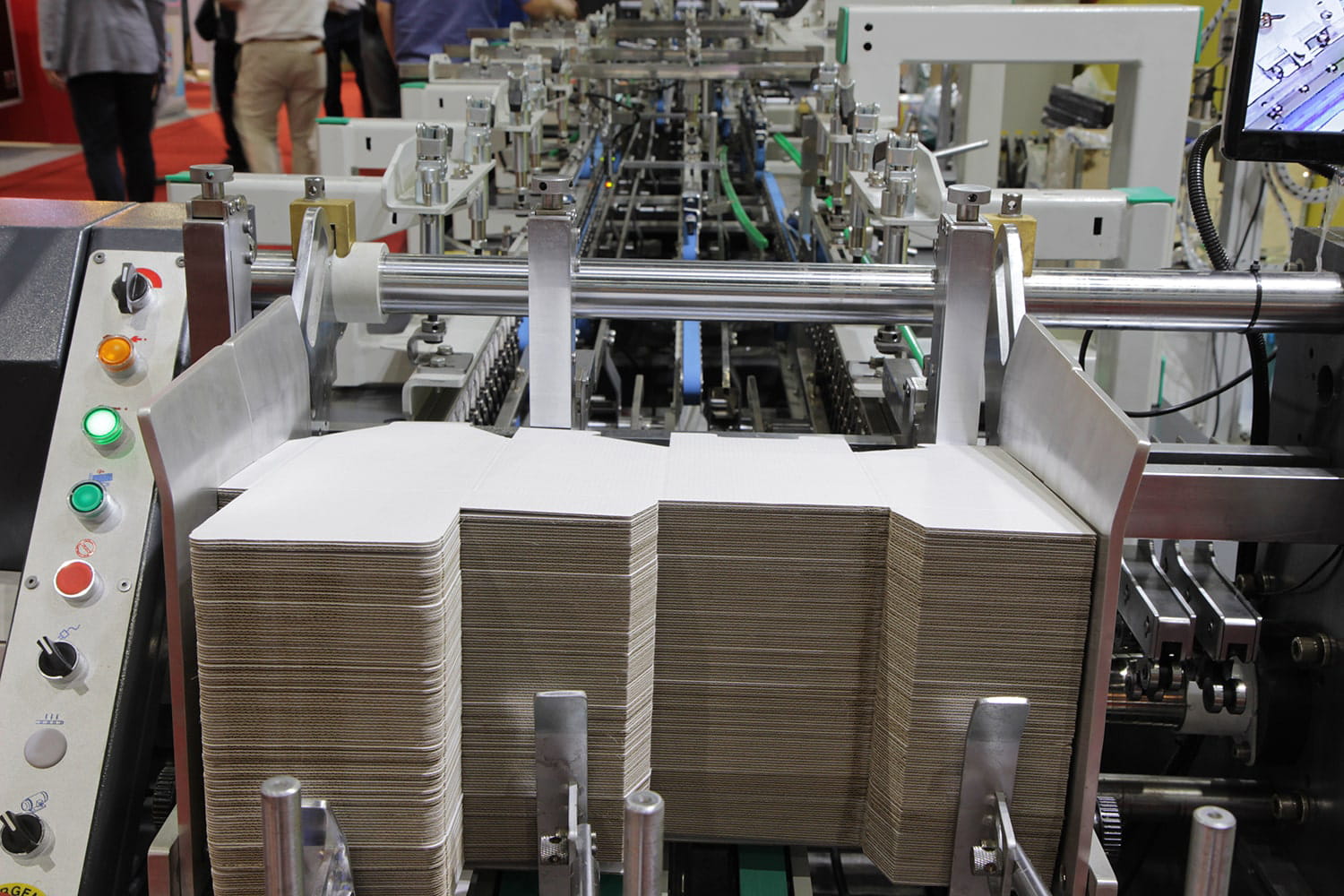
Efficient sheet layout is another important cost-saving opportunity. By maximizing the number of box blanks produced from each corrugated sheet, manufacturers reduce trim waste and improve production efficiency.
Working closely with an experienced corrugated box supplier allows businesses to optimize sheet utilization while maintaining consistent product quality.
6. Standardize Packaging Sizes
Many manufacturers maintain dozens—or even hundreds—of different box sizes. Standardizing packaging dimensions reduces inventory complexity, improves purchasing efficiency, and increases production volumes for each design.
Benefits include:
Lower inventory costs
Faster production scheduling
Improved purchasing leverage
Simplified warehouse management
Better logistics efficiency
Standardization also makes future packaging optimization projects easier to implement.
7. Optimize Printing Without Reducing Brand Impact
High-quality corrugated printing is essential for many industries, but print specifications should always match the packaging's purpose.
Businesses can often reduce costs by:
Limiting the number of print colors
Simplifying artwork
Printing only essential information
Selecting the most appropriate printing technology for production volumes
Modern offset and flexographic printing technologies can both deliver outstanding visual results when matched to the correct application.
8. Improve Pallet and Transport Efficiency
Packaging costs extend beyond the box itself. Optimized box dimensions improve pallet utilization, reduce empty transport space, and lower freight costs throughout the supply chain.
Well-designed corrugated packaging contributes to:
Better stacking performance
Reduced product damage
More efficient truck loading
Lower logistics expenses
Improved sustainability through reduced emissions
9. Reduce Manufacturing Waste
Continuous improvement within the packaging production process can generate measurable savings. Monitoring material waste, setup efficiency, production rejects, and equipment performance helps manufacturers identify opportunities to improve productivity while maintaining quality standards.
Even modest reductions in production waste can deliver substantial annual savings for high-volume operations.
10. Validate Every Improvement Through Testing
Cost reduction should never compromise packaging performance. Every design modification should be verified using recognized testing methods such as Edge Crush Test (ECT), Box Compression Test (BCT), drop testing, and transportation simulation.
Proper testing ensures that optimized packaging continues to protect products throughout storage, handling, and distribution.
The Value of Working with an Experienced Corrugated Packaging Partner
Reducing packaging costs is most successful when manufacturers collaborate with an experienced corrugated packaging supplier. Packaging engineers can evaluate existing box designs, recommend alternative board grades, optimize structural designs, and identify manufacturing efficiencies that lower costs without reducing quality.
At the same time, businesses benefit from improved sustainability through lower material consumption, reduced waste, and more efficient transportation—helping achieve both financial and environmental objectives.
Conclusion
Reducing the cost of corrugated boxes does not mean sacrificing quality. Through intelligent packaging design, optimized board selection, efficient printing, standardized box sizes, and rigorous performance testing, companies can achieve meaningful cost savings while maintaining excellent product protection and professional brand presentation.
For businesses seeking long-term competitiveness, investing in packaging optimization is one of the most effective ways to reduce operating costs and improve supply chain efficiency.