



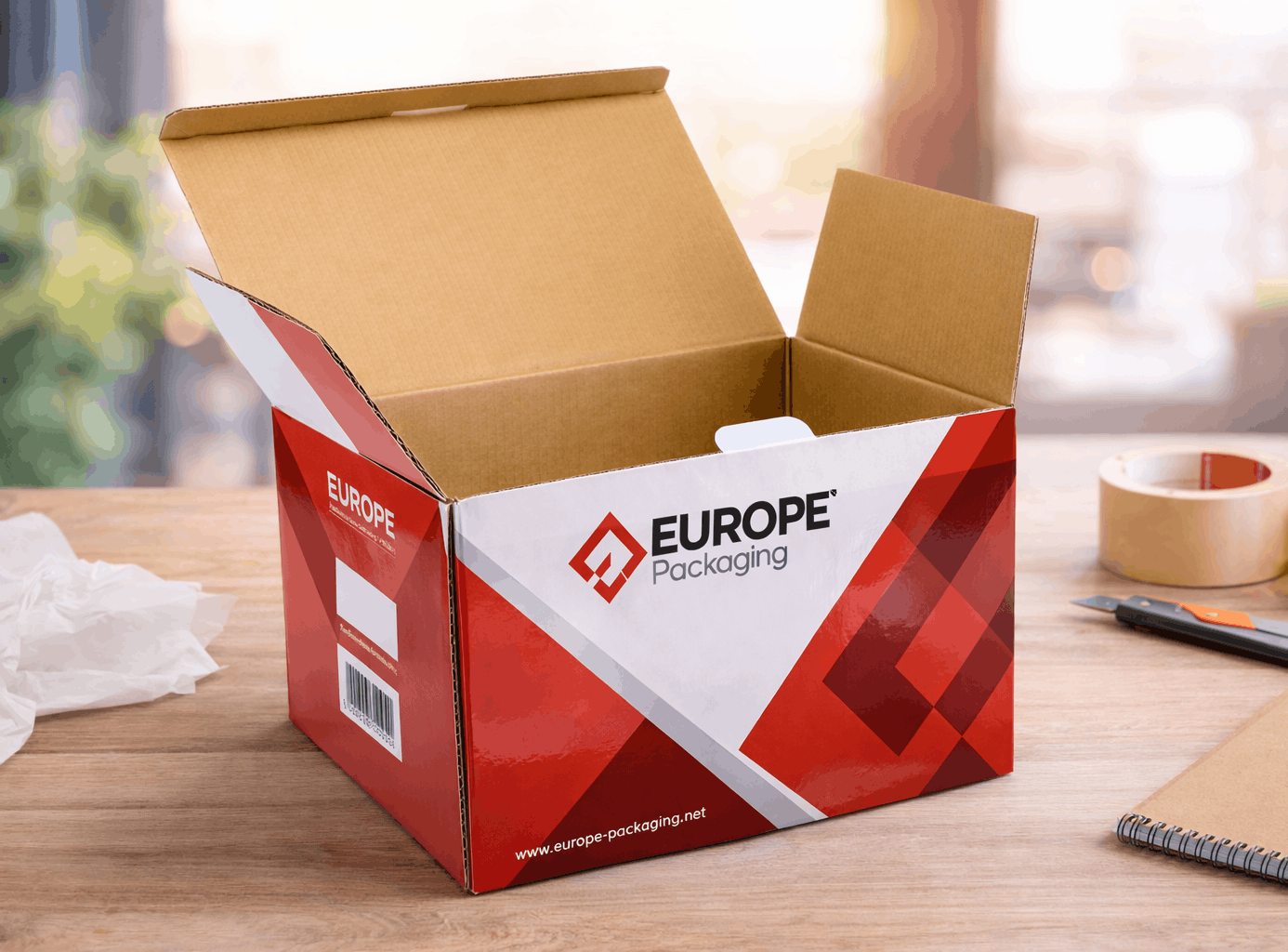
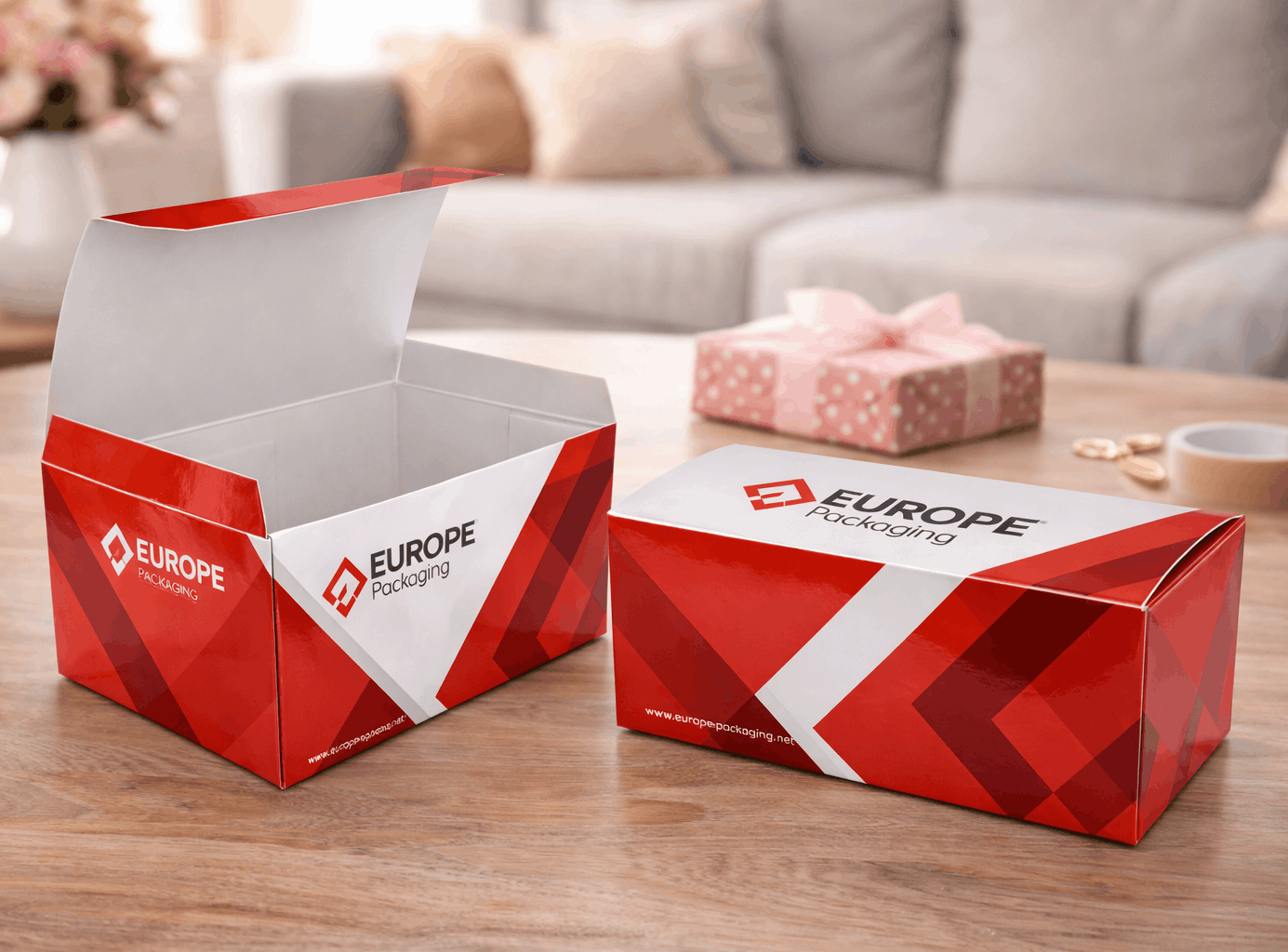
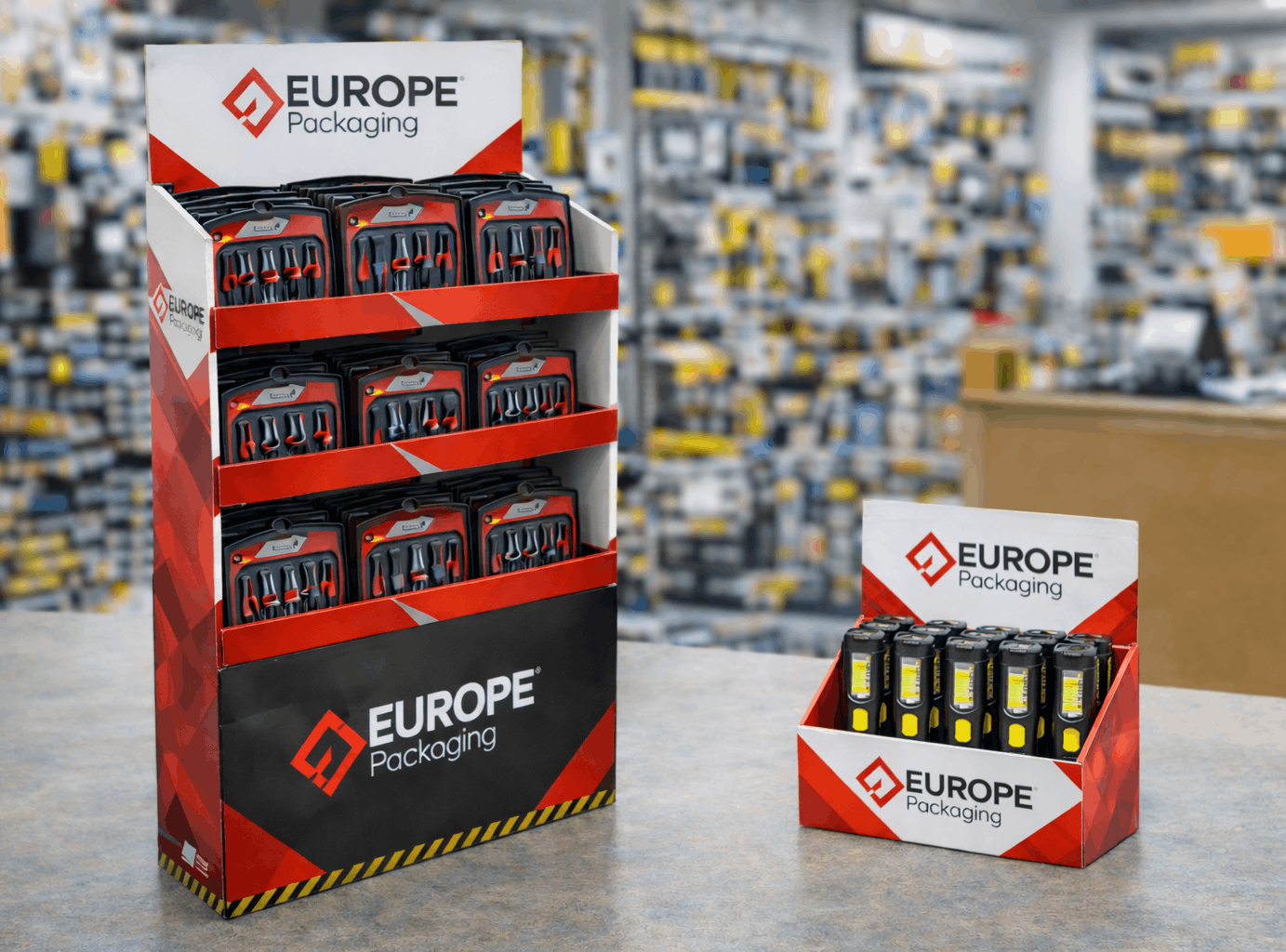

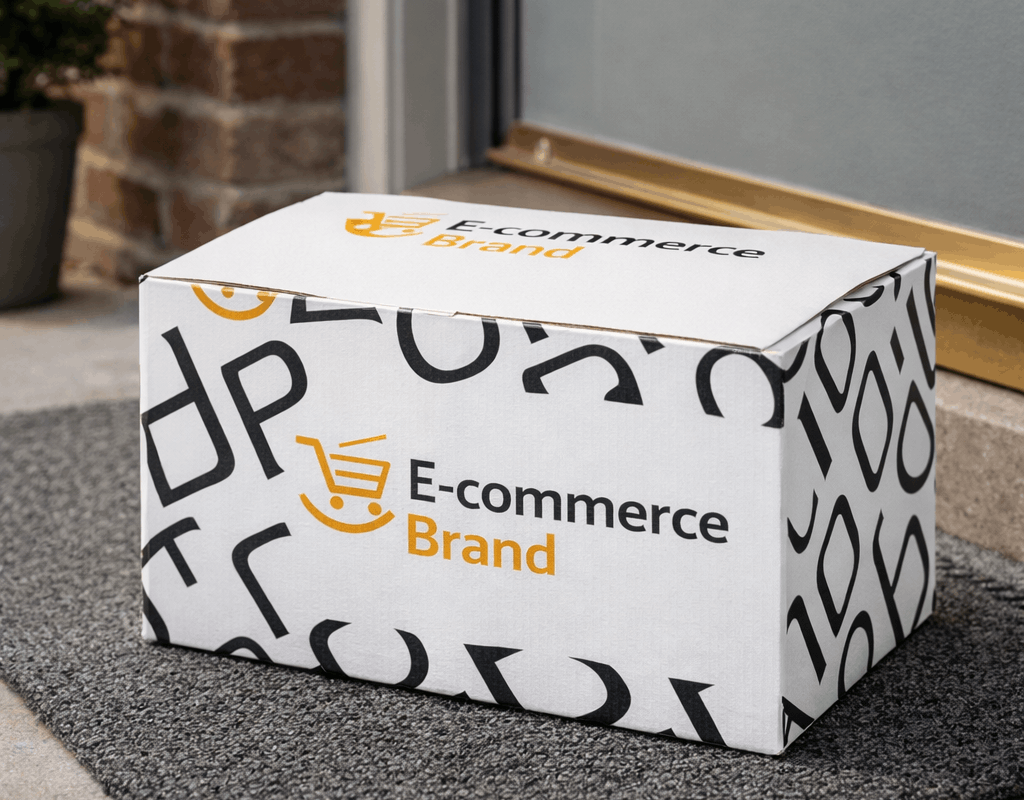


Packaging influences buying decisions through design, colour, quality, branding, convenience, and sustainability.
Packaging plays a significant role in influencing consumer buying decisions in today's competitive marketplace. With numerous products available on supermarket shelves and online platforms, consumers are often faced with several choices when purchasing goods. Packaging serves not only as a protective covering for products but also as an important marketing and communication tool. It creates the first impression of a product and helps consumers evaluate its quality, attractiveness, and suitability for their needs. Elements such as colour, design, shape, size, materials, and labelling can influence consumers' perceptions and purchasing behaviour. Therefore, understanding how packaging affects consumer buying decisions is essential for businesses seeking to attract customers, differentiate their products from competitors, and increase sales.
1. The Role of Packaging in Attracting Consumer Attention
One of the most important functions of packaging is to attract consumers' attention. In retail environments, consumers are exposed to many competing products, making visual appearance an important factor in purchasing decisions. Attractive packaging can make a product stand out and encourage consumers to examine it more closely.
Packaging elements such as colours, images, typography, and graphics contribute to the overall appearance of a product. For example, bright colours may attract attention and create feelings of excitement, while simple and elegant designs may communicate sophistication and high quality. Similarly, packaging that incorporates appealing images and clear product information can create positive impressions.
The ability of packaging to capture attention is particularly important for new products that consumers have not previously encountered. When customers are unfamiliar with a brand, packaging may become one of the first sources of information they use to evaluate the product.
2. Packaging as a Communication and Marketing Tool
Packaging is an effective communication tool that provides consumers with important information about products. It communicates details such as product ingredients, nutritional value, instructions for use, manufacturing dates, expiry dates, and safety precautions.
Clear and accurate information enables consumers to make informed purchasing decisions. For example, consumers purchasing food products may examine nutritional labels to determine whether the products meet their dietary preferences. Similarly, individuals purchasing cosmetics may review ingredient lists and product descriptions before making a decision.
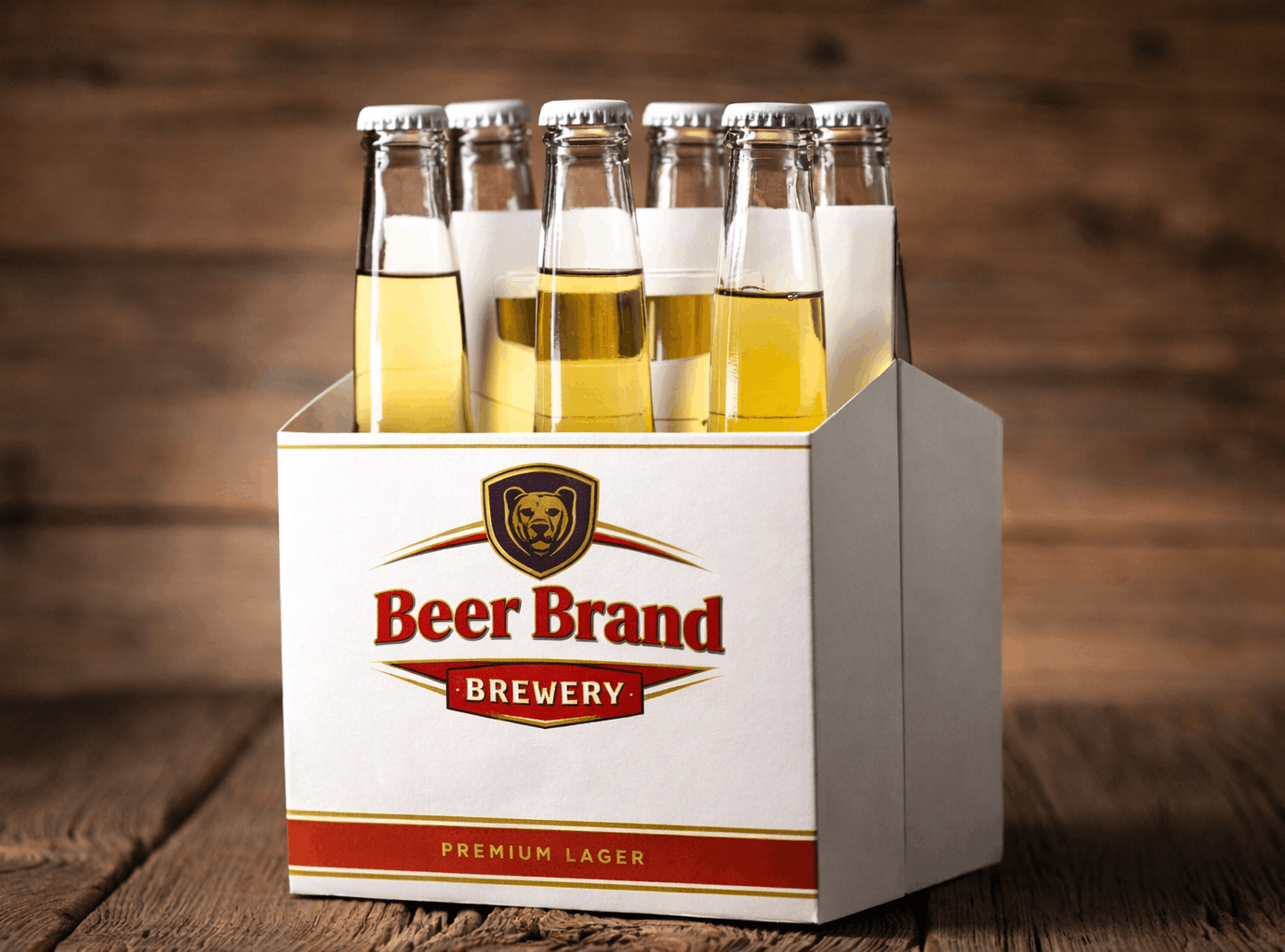
Packaging also communicates brand identity and values. Businesses often use consistent colours, logos, and designs to make their products easily recognisable. This consistency strengthens brand awareness and helps consumers identify products they have previously purchased.
As a result, packaging contributes to both product promotion and consumer education, making it an essential component of marketing strategies.
3. The Influence of Packaging Design and Colour on Consumer Behaviour
Packaging design and colour can influence consumers' emotions, perceptions, and purchasing intentions. Different colours are commonly associated with different meanings, although these associations may vary depending on culture, personal experience, and product category.
For example, green packaging is frequently associated with nature, freshness, and environmental sustainability. Blue may communicate reliability and calmness, while black and gold are sometimes used to create impressions of luxury and exclusivity.
The shape and structure of packaging can also affect consumer preferences. Unique packaging designs may distinguish products from competitors, while practical designs can improve convenience and ease of use.
For instance, a beverage container designed for easy handling and transportation may appeal to consumers who value convenience. Similarly, resealable food packaging can attract customers because it helps preserve products after opening.
Therefore, effective packaging design combines visual attractiveness with practical functionality to influence consumer purchasing behaviour.
4. Packaging and Consumer Perception of Product Quality
Consumers often use packaging as an indicator of product quality, especially when they cannot evaluate the actual product before purchasing it. The materials, appearance, and finishing of packaging can create expectations about the quality and value of the product.
For example, products packaged in sturdy, well-designed containers may be perceived as more reliable or premium than similar products presented in poorly designed packaging. Luxury brands frequently invest in high-quality packaging materials and distinctive designs to communicate exclusivity.
However, attractive packaging does not necessarily guarantee superior product quality. Consumers may sometimes develop unrealistic expectations based on packaging appearance alone. If the actual product fails to meet these expectations, dissatisfaction may occur.
Businesses must therefore ensure that their packaging accurately represents the products they offer. Maintaining consistency between packaging appearance and product quality can help establish consumer trust and encourage repeat purchases.
5. The Impact of Sustainable Packaging on Consumer Buying Decisions
Environmental sustainability has become an increasingly important consideration in packaging decisions. Growing awareness of environmental issues, including plastic pollution, waste generation, and resource consumption, has encouraged some consumers to pay greater attention to packaging materials.
Sustainable packaging includes materials and designs intended to reduce environmental impact, such as recyclable, reusable, or responsibly sourced packaging. Consumers who prioritise environmental responsibility may prefer products with packaging that aligns with their values.
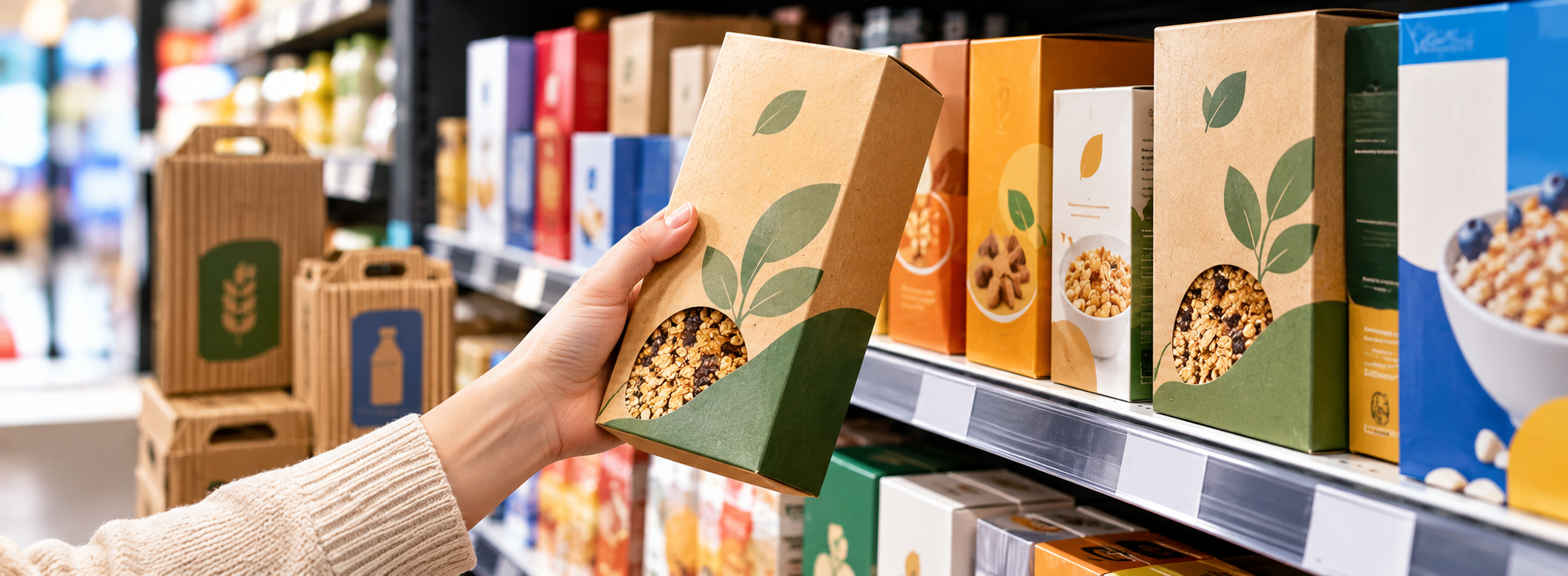
For example, some consumers may choose products packaged in recyclable cardboard rather than excessive plastic. Others may favour brands that provide refillable containers or minimise unnecessary packaging.
Nevertheless, sustainable packaging does not influence every consumer equally. Factors such as price, convenience, product availability, and personal environmental attitudes can affect purchasing decisions.
Consequently, businesses should consider environmental sustainability when developing packaging strategies while ensuring that their packaging remains affordable, functional, and appealing to consumers.
6. Packaging and Brand Recognition
Packaging plays a significant role in establishing and maintaining brand recognition. Through consistent use of colours, logos, typography, and design elements, businesses can create a distinctive visual identity that consumers associate with their products.
When consumers repeatedly encounter familiar packaging, they may develop stronger awareness of the brand. Familiarity can simplify purchasing decisions, particularly when consumers have previously experienced satisfaction with the product.
For example, the distinctive red-and-white packaging associated with Coca-Cola contributes to its brand recognition in many markets. Consumers can often identify the brand through its visual presentation even before reading the product name.
Consistent packaging can also support customer loyalty by reinforcing positive brand experiences. However, businesses must balance consistency with innovation to ensure that their packaging remains relevant to changing consumer preferences.
7. The Influence of Packaging on Impulse Buying
Packaging can contribute to impulse buying, which occurs when consumers make spontaneous purchasing decisions without extensive prior planning.
In supermarkets and other retail environments, visually attractive packaging may encourage consumers to purchase products they had not originally intended to buy. Eye-catching colours, appealing product images, and distinctive designs can generate curiosity and emotional interest.
For example, colourful snack packaging placed near checkout counters may attract consumers' attention and encourage unplanned purchases. Limited-edition packaging and seasonal designs may also create feelings of excitement or urgency.
However, impulse buying is influenced by several factors beyond packaging, including product price, promotional offers, store layout, consumer mood, and purchasing habits.
Therefore, packaging should be understood as one of several marketing elements that can encourage spontaneous purchasing behaviour.
8. Challenges Businesses Face in Packaging Decisions
Despite its importance, designing effective packaging presents several challenges for businesses. Companies must consider the cost of packaging materials, consumer preferences, environmental regulations, product safety, and competition.
High-quality packaging materials may increase production costs, potentially affecting product prices. Similarly, environmentally friendly packaging alternatives may require investment in new materials, equipment, or production processes.
Another challenge involves balancing attractive designs with accurate and understandable information. Packaging that contains excessive graphics or complicated text may confuse consumers rather than assist them.
Businesses must also recognise that consumer preferences differ across age groups, cultures, income levels, and geographical markets. A packaging design that appeals to one group of consumers may not necessarily appeal to another.
To address these challenges, businesses can conduct market research, gather consumer feedback, and test packaging designs before introducing products into the market.
Conclusion
In conclusion, packaging significantly influences consumer buying decisions by shaping product perceptions, attracting attention, communicating information, and strengthening brand recognition. Packaging elements such as colour, design, materials, shape, and labelling can affect how consumers evaluate products and whether they decide to purchase them. Additionally, packaging functionality and environmental sustainability are increasingly relevant considerations for certain consumer groups.
Effective packaging goes beyond protecting products; it serves as a strategic marketing tool that connects businesses with consumers. However, packaging should accurately represent product quality and provide clear information to maintain customer trust and satisfaction.
Businesses that understand consumer preferences and invest in attractive, functional, and responsible packaging can improve their competitiveness and potentially encourage repeat purchases. Ultimately, packaging is an important factor in consumer decision-making, although its influence operates alongside other considerations such as price, product quality, brand reputation, and personal needs.